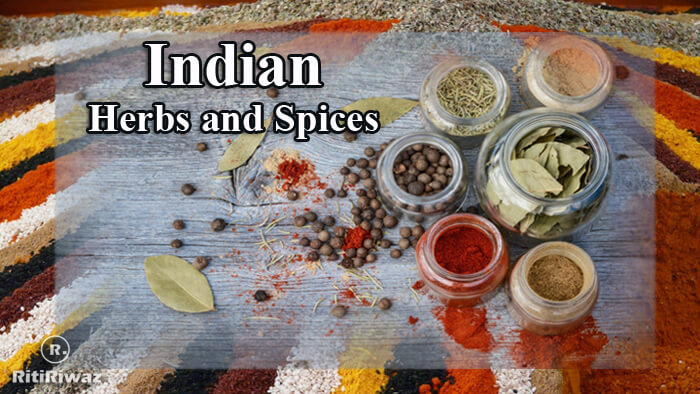
Indian food is characterized by the subtle use of spices and vegetables. The food includes several centuries-old culinary traditions that vary from region to region. Spices of India were well known in many parts of the world from an ancient period. Many battles were fought to gain control of this land of astonishing spices. The one having spices like black pepper, cardamom, cinnamon, nutmeg, clove, ginger, turmeric, etc were considered to be a symbol of nobility and high social status.
Spice is the very heart of Indian cuisine and an average Indian dish will include anything from 12-15 types of spices. They are used in different forms whole, chopped, ground, roasted, sautéed, fried, and as a topping. There is no doubt that Indian food is one of the most aromatic, and flavorful food in the world, and this is because of all the magic that Indian spices are working on the food. We are bringing a glossary of Indian spices that you must know.
A to Z Glossary of Indian Herbs and Spices
A
Aamchur: Mango Powder
Adrak, adhrak: Fresh Ginger
Ajwain: Carom seeds, Thymol seeds, Bishops weed
Anar Dana: Dry Pomegranate seed
Ajmud: Celery
Amla: Indian gooseberry
B
Badi elaichi: Black cardamom
Bhirinda, bhirnda: Cocum, kokum
Besan: Chickpea flour
Bhang: Fresh Hemp Cannabis
C
Chakriphool: Star anise
Chilgoze, nioze: Pine nuts
Chaval: Rice
Chai: Indian tea
Chironji: Charoli
D
Dalchini: Cinnamon
Dhania powder: Coriander powder
Doroo: Celery
Dhaniya, dhania: Coriander, cilantro
F
Fenugreek seeds: Methi ke dane
G
Ghee: Clarified butter
Gur: Jaggery
Garam Masala: Combination of various spices including pepper, cinnamon, nutmeg, cardamom, cumin, coriander, Indian bay, pepper, and some others.
Gomd, gond: Gum Tragacanth
Guggal, gugal: Indian Bedellium Tree
H
Hari elaichi, choti elaichi: Green cardamom
Hari mirch: Green chili
Hing: Asafoetida
Haldi: Turmeric
Harad: Inknut
I
Indian tej patta, tamalpatra: Bay Leaf
Imli: Tamarind
J
Jeera: Cumin seeds
Jayitri, javitri, javntry: Mace
Jaiphal: Nutmeg
Jathimadh: Licorice powder
K
Kala jeera: Black cumin seeds
Kali mirch: Black pepper
Kala namak: Black salt
Kari patta, kadipatha: Curry leaves
Kasoori methi: Dry fenugreek leaves
Kalonji, kalaungi: Onion seeds, Nigella
Khus: Vetiver
Kunkuma, kesar, zafran: Saffron
Kewra: Screwpine, pandanus
Khus khus: Poppy seeds
Kismish: Raisins
Kokam: Garcinia indica
Kabab Chini: Cubeb
L
Lal mirch powder: Chilli powder
Laung, lavang: Cloves
Lasan, lahsun, lahsan: Garlic
Lal mirch: Red chilli
M
Methi: Fenugreek
Moongphalli, mungphali: Ground nut, peanuts
Munakka: Sultanas
N
Nariyal: Coconut fresh
Nimboo, nimbu: Lime
Nimbu ka chilka: Lime peel
Namak: Salt
Nimbu Phul: Citric acid
P
Pudina, podina: Mint
Pyazz: Onion
Pathar phool: Rock flower, Stone flower
Pippali: Long pepper
R
Rai: Black mustard seeds
S
Saunf: Aniseeds, Fennel Seeds
Sabja seeds, subja, falooda seeds, tukmaria: Basil seeds, sweet basil
Sarson: Big mustard seeds
Shahjeera: Caraway seeds
Sukha nariyal ka choora/boora: Coconut desiccated
Sukha nariyal: Coconut dry
Sabut dhania: Coriander seeds
Saunth, sounth, soonth: Dry ginger
Sendha namak: Rock salt
Sirka: Vinegar
Saphed Mirch: White pepper
T
Tulsi: Holy basil
Tara gura, sharkara tada: Palm jaggery
Tarbuj ke beej: Watermelon seeds
Til: Sesame seeds
Timur, tirphal, tephal, teppal: Sichuan pepper, Szechwan pepper