
Before c. 1500 BCE
Prehistoric India & the Indus Valley
The earliest settlements grew into sophisticated urban centers with planned streets, drainage, craft production, and far-reaching trade.
- Bhimbetka
- Mehrgarh
- Harappa
- Mohenjo-daro
A journey through time
Explore the major eras that shaped the Indian subcontinent—from its earliest settlements and classical learning to regional kingdoms, colonial rule, independence, and the modern republic.
Before c. 1500 BCE
The earliest settlements grew into sophisticated urban centers with planned streets, drainage, craft production, and far-reaching trade.
c. 1500–321 BCE
Vedic traditions, new social and political institutions, expanding agriculture, and major philosophical movements shaped the subcontinent.
321 BCE–c. 300 CE
The Mauryan Empire unified large regions, while later kingdoms connected India with Central Asia, the Mediterranean, and Southeast Asia.
c. 300–750 CE
Regional courts and the Gupta age supported influential developments in mathematics, astronomy, literature, temple architecture, and art.
c. 750–1200 CE
Powerful regional dynasties built temples, maritime networks, languages, and artistic traditions that continue to define local identities.
c. 1200–1757 CE
Persianate courts, regional sultanates, the Mughal Empire, and resilient local powers produced new forms of governance, architecture, music, and cuisine.
1757–1947
European expansion and British rule transformed institutions and the economy, while diverse reformers and movements fought for dignity and independence.
1947–Present
Independent India adopted a democratic Constitution and continues to evolve through social change, scientific achievement, economic growth, and cultural renewal.
From the archive

The Koh-i-Noor also spelled as Kohinoor and Koh-i-Nur is one of the oldest and most

Lala Lajpat Rai was popularly known as Punjab Kesari meaning “The Lion of Punjab” also

Vallabhbhai Patel was popularly known as Sardar Patel devoted his whole life to liberating slave
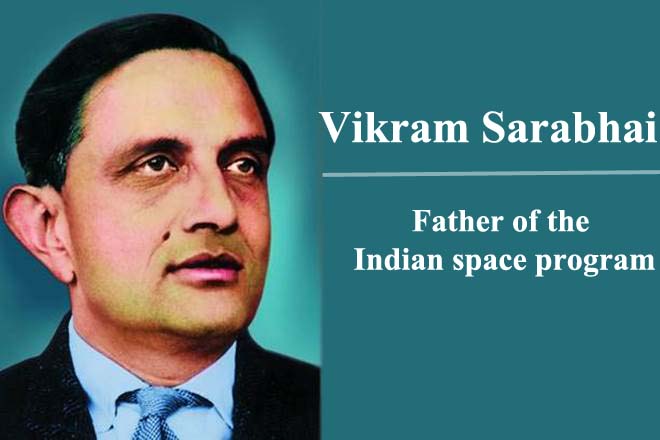
Vikram Ambalal Sarabhai (1963-1971) was one of the greatest scientists of India who was known as

Mother Teresa was revered as a living saint, who won the heart of everyone through
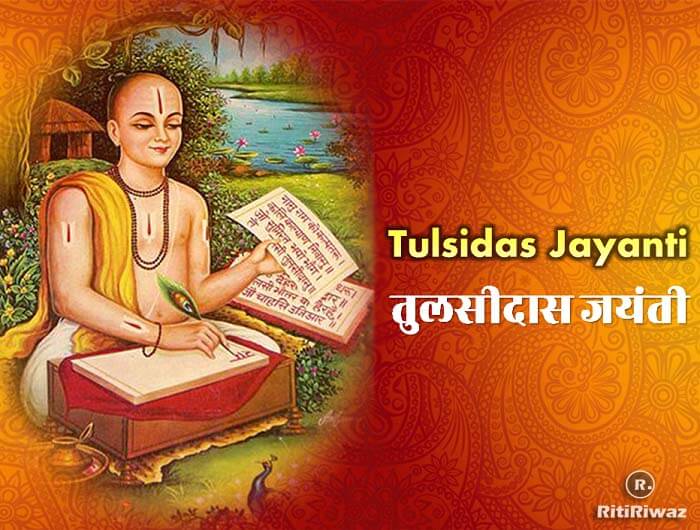
Tulsidas is known as one of the greatest poets in the literary world of the

The word “monsoon” is derived from the Arabic word for season, and the distinguishing attribute

Surdas Jayanti is observed to honor the great devotional poet and singer Surdas, he was

The period from the fall of the kingdom of Videha early in the sixth century

Stone Age rock shelters with paintings at Bhimbetka in Madhya Pradesh are the earliest known
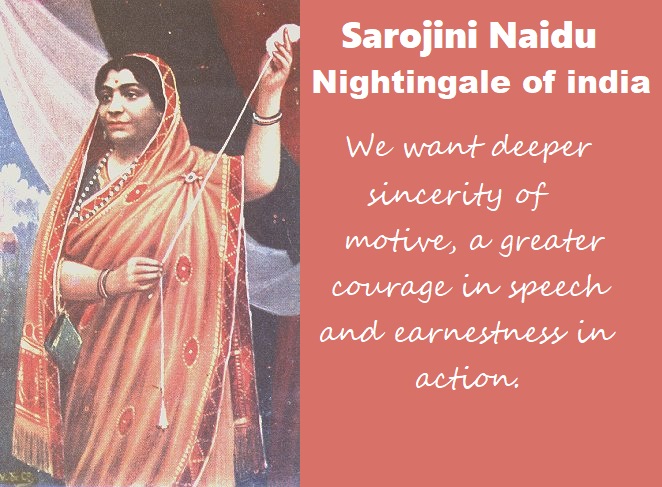
Sarojini Naidu was a famous poet, freedom fighter, and great speaker of his era. She
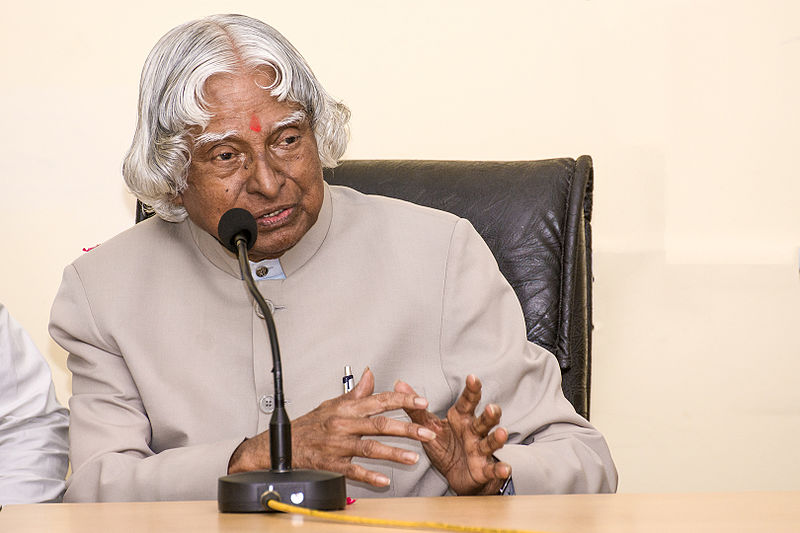
A. P. J. Abdul Kalam is popularly known as “Missile man of India” and “people’s