
Essential Bariatric Food: Key Nutritional Guidelines for Post-Weight Loss Surgery Success
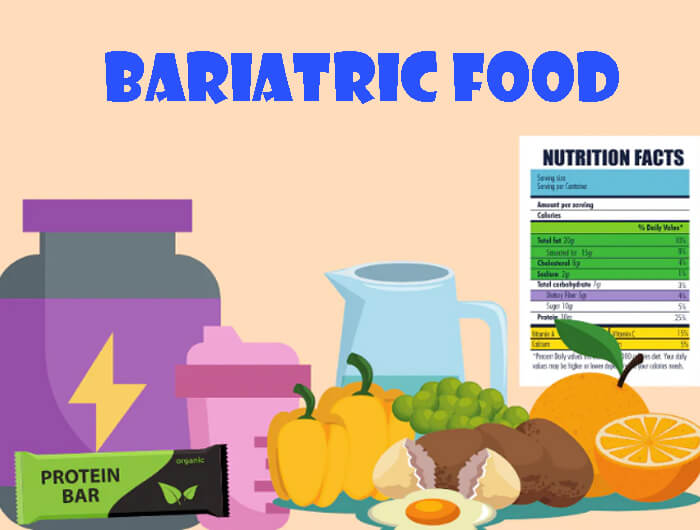
As we navigate the world of weight loss and healthier living, bariatric food has emerged as a crucial element for those undergoing weight loss surgery. These specially designed meals and snacks not only cater to the unique dietary needs of post-operative patients but also support long-term success in achieving weight loss goals.
For many, finding trusted providers like Bariatric Food Source makes the journey easier, offering a wide selection of high-protein, low-sugar, and nutrient-dense options tailored to recovery and long-term health. Having reliable access to these foods can be the difference between struggling to meet dietary requirements and thriving on the path to better health.
Understanding bariatric food is essential for anyone considering surgery or seeking to maintain a healthy lifestyle after such a transformative procedure. With the right resources, bariatric food plays a vital role in our journey towards lasting wellness. Join us as we explore the importance of these foods and how they can make a significant difference in our lives.
What Is Bariatric Food?
Bariatric food consists of specially formulated meals and snacks tailored for individuals after weight loss surgery. These foods play a crucial role in meeting the unique dietary requirements of post-operative patients, promoting effective weight loss and overall health.
Definition and Importance
Bariatric food refers to nutritional options designed to support the dietary shift required post-surgery. These foods emphasise high protein content, low sugar levels, and essential nutrients, which help patients feel full longer and prevent complications. Their role in recovery includes aiding healing and meeting daily nutritional needs while adopting a new, healthier lifestyle.
Common Characteristics
Bariatric foods share several key characteristics:
- High Protein: These foods offer increased protein levels, averaging 15-30 grams per serving, to support muscle maintenance and satiety.
- Low Sugar: They maintain low sugar content, typically under 5 grams per serving, to prevent blood sugar spikes and support weight loss.
- Nutrient-Dense: They contain essential vitamins and minerals, ensuring patients receive vital nutrients, especially in smaller portion sizes.
- Portion-Controlled: These meals come in smaller portion sizes to accommodate reduced stomach capacity, promoting mindful eating.
- Easy to Digest: They feature soft, easily digestible ingredients to facilitate proper digestion and minimise discomfort for patients.
Choosing bariatric food options contributes to the success of weight loss journeys while ensuring nutritional adequacy.
Types of Bariatric Food
We can classify bariatric food into specific categories based on their nutritional profiles, focusing primarily on high-protein options and low-carb selections. These categories support weight loss and promote overall health for post-operative patients.
High-Protein Options
High-protein options form the foundation of bariatric diets, offering essential amino acids for muscle repair and satiety. These meals typically contain 15-30 grams of protein per serving, ensuring sufficient intake without excessive calories. Examples of high-protein foods include:
- Lean Meats: Chicken, turkey, and fish provide substantial protein while remaining low in fat.
- Eggs: A versatile protein source, eggs are easy to prepare and digest.
- Dairy Products: Greek yoghurt and cottage cheese supply protein along with beneficial probiotics.
- Protein Shakes: Formulated specifically for bariatric needs, these shakes ensure convenience and nutrient density.
Low-Carb Selections
Low-carb selections help manage blood sugar levels and support weight loss by reducing carbohydrate intake. These foods typically feature under 20 grams of carbohydrates per serving. They include:
- Non-Starchy Vegetables: Options such as spinach, broccoli, and bell peppers offer fibre and micronutrients with minimal carbs.
- Nuts and Seeds: Almonds, walnuts, and chia seeds provide healthy fats and a low-carb profile.
- Whole Grains: Quinoa and brown rice serve as acceptable low-carb options when consumed in moderation.
- Legumes: Lentils and chickpeas offer complex carbohydrates while also being high in protein and fibre.
Understanding these categories of bariatric food plays a key role in fostering nutritional adequacy and supporting weight loss goals.
Nutritional Guidelines
Bariatric food requires strict adherence to nutritional guidelines to ensure optimal health and effective weight loss. These guidelines emphasise the importance of portion control and essential nutrients for post-operative patients.
Portion Control
Portion control is crucial in a bariatric diet. We focus on consuming smaller portions to accommodate reduced stomach capacity post-surgery. Typical serving sizes should be around 1/4 to 1/2 cup, depending on individual tolerance. Using smaller plates and measuring food can prevent overeating and promote mindfulness during meals. Consistent portion control helps maintain satiety without overwhelming the digestive system, contributing to long-term weight loss success.
Essential Nutrients
Essential nutrients form the backbone of any bariatric meal plan. We prioritize the following:
- Protein: Aiming for 60-80 grams daily, protein aids in muscle repair and promotes a feeling of fullness. Good sources include lean meats, eggs, dairy, and plant-based options.
- Vitamins and Minerals: Daily multivitamins are essential to cover deficiencies often experienced after surgery. Key nutrients to monitor include Vitamin B12, Iron, Calcium, and Vitamin D, as they’re critical for preventing post-surgical complications.
- Hydration: Staying hydrated is vital. We recommend consuming at least 1.5 to 2 litres of water daily. Adequate fluids assist with digestion and help maintain overall health.
Focusing on these essential nutrients, paired with portion control, supports effective weight loss and enhances our overall wellbeing after bariatric surgery.
Meal Planning and Preparation
Meal planning and preparation play a crucial role in successfully adopting a bariatric diet. By selecting nutrient-dense foods and preparing meals ahead of time, we ensure adherence to dietary guidelines essential for our health and weight management.
Easy Recipes
We can incorporate various easy-to-prepare recipes that align with our bariatric nutritional needs. Consider these options:
- High-Protein Omelette: Combine two eggs, spinach, and low-fat cheese. Cook until set; this offers around 20 grams of protein.
- Cottage Cheese Bowl: Mix half a cup of cottage cheese with sliced strawberries or berries. This simple recipe provides a satisfying snack option with ample protein and fibre.
- Turkey Lettuce Wraps: Use lean ground turkey, seasoned and cooked, wrapped in large lettuce leaves. Each wrap offers protein without added carbs.
- Quinoa Salad: Prepare a salad with cooked quinoa, diced vegetables, and a light vinaigrette. Quinoa is a great source of protein and fibre.
These recipes accommodate our reduced portion sizes while ensuring sufficient protein intake and overall nutritional balance.
Storage Tips
Proper storage techniques help maintain the quality and safety of our bariatric food. Follow these guidelines:
- Use Airtight Containers: Store cooked meals in airtight containers to prevent spoilage and maintain freshness.
- Label Meals: Always label containers with the date and contents, ensuring we consume them within safe timeframes.
- Portion Control: Portion meals into smaller servings, making it easier to manage intake and avoid wastage.
- Freezing Options: For longer storage, freeze portions of soups, stews, or casseroles. Proper freezing preserves nutrient integrity while allowing us to enjoy meals later.
Implementing these storage tips ensures our meals remain safe and ready for consumption, supporting our overall dietary goals.
Conclusion
Embracing bariatric food is essential for anyone on a weight loss journey after surgery. These specially designed meals not only support our nutritional needs but also help us stay on track with our health goals. By focusing on high protein and low sugar options we can ensure our bodies receive the nutrients they need while promoting satiety.
Meal planning and preparation play a vital role in our success. With the right strategies in place we can make informed choices that align with our dietary requirements. Ultimately our commitment to incorporating bariatric food into our daily lives paves the way for lasting health and wellbeing.
Suggested Read: Diet Exercise and Weight loss
