
Behdienkhlam Festival
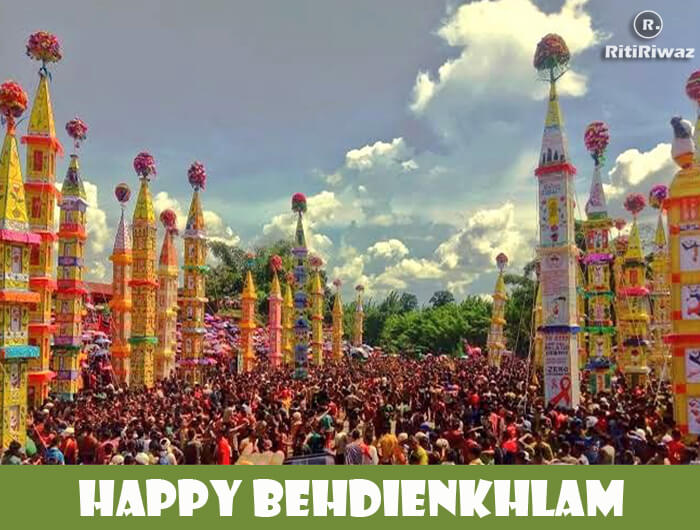
Behdienkhlam Festival is the most celebrated cultural festival, celebrated during the month of July after the sowing period. This festival tour is an invocation to God seeking blessings for a bumper harvest. Behdeinkhlam is derived from two Pnar words: Behdein, meaning ‘to drive away’, and Khlam, meaning ‘plague’. Behdienkhlam, meaning ‘chasing away the demon of Cholera’ using sticks, is celebrated by the Pnars of Jainitia hills in the state of Meghalaya.
The Jaintia people give foremost importance to man’s relationship with the environment, ancestor worship, clan relations, maintaining social harmony, and upholding cultural traditions. These values are collectively expressed during the Behdienkhlam festival.
Monsoon season is the best time to visit Meghalaya as it is filled with the beauty of waterfalls, natural canopy, and, of course, the colorful Behdienkhalam festival. This vibrant celebration of spirituality and tranquility will showcase how rich its culture is through dance, worship, food, and welcoming gestures by locals. People pray for a bumper harvest and seek blessings from their deities.
This harvest festival is celebrated in order to please the Gods for a bountiful harvest. It is also one of the most well-known and recreational festivals of Meghalaya.
Key aspects of the Behdienkhlam festival include
- Making symbolic wooden structures called ‘rots’ and carrying them to a sacred pool.
- A ritualistic kicking of a log by two opposing groups (similar to a rustic football game).
- Dancing and singing are throughout the festival.
Behdienkhlam Rituals
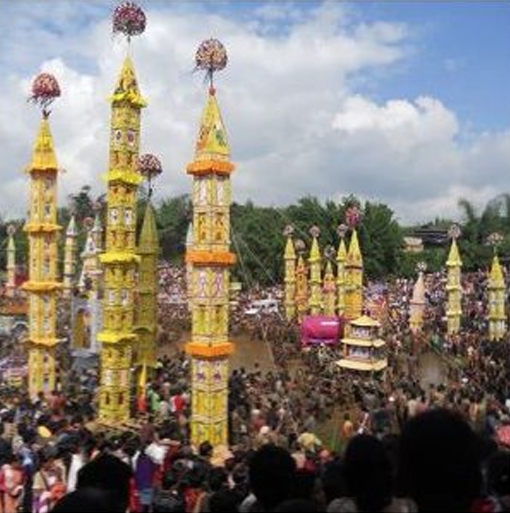
The festival pulses with drumbeats, folk dances, and spiritual fervor, offering locals and tourists alike a front-row seat to cultural revival. The festival starts with worshipping the local gods. While the men perform the sacrifices and outdoor rituals, the women prepare offerings for their clan ancestors and pray to U Blai (supreme deity) to protect themselves and Mother Nature from evil spirits, plague, and disease.
Then, young villagers beat every house with bamboo poles to get rid of the evil spirits, plagues, and other diseases from each house in the village.
Let’s come to the climax of the rituals series, which means, fighting for an undressed large beam positioned in a pool of mud. The interesting part of this ritual is that two groups fight against each other to ditch the beam into the mud, which is called wah-it-nar.
Finally, after three days of rituals over, on the last day all the locals as well as tourists gather in a place called Aitnar and the real celebration starts with local food, music, drums, and of course, the traditional costumes like a cherry on the cake.
Behdienkhlam Significance

Behdienkhlam Festival is a joyous celebration of community solidarity and cultural identity, set during Meghalaya’s early monsoon rains. The cheerful crowds, traditional dances to the beat of pipes and drums, sale of handicraft items, cane goods, bamboo art, and local food in the market, all combine into a rich and grand celebration in the northeastern state.
Due to the nature of Behdeinkhlam’s origin, the festival stresses the relationship humans have with the natural world. Behdienkhlam is also an occasion for families to get together to enact rituals related to the indigenous religion known as Niamtre, which means ‘own religion’ in the Pnar language.
Conclusion
The Behdienkhlam traditional dance festival is primarily celebrated in the state of Meghalaya, particularly by the Pnar community in the Jaintia Hills.
