
Understanding the Shift in Personal Mobility Habits Across Rapidly Expanding More Urban Areas
Urban expansion is no longer gradual—it is accelerating at a pace that directly affects how people live, work, and move within cities. As metropolitan regions grow outward, daily travel becomes longer, more complex, and more demanding. Roads fill faster than they expand, residential clusters spread farther from business districts, and commuting begins to consume a significant portion of everyday life.
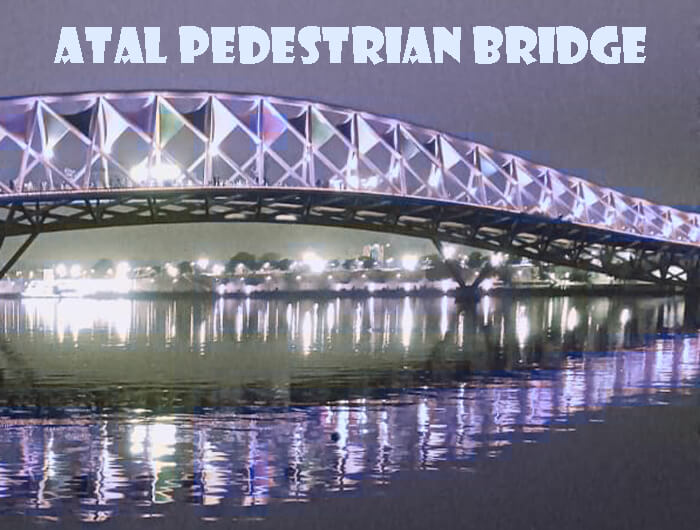
In cities experiencing this rapid growth, including Ahmedabad, atal bridge. Personal mobility habits are shifting noticeably. More residents now search for hire car driver in Ahmedabad near me as they look for ways to reduce travel stress while continuing to use their own vehicles. This search trend reflects a deeper change in mindset: mobility is no longer just about owning a car, but about managing energy, time, and safety on increasingly crowded roads.
Urban Expansion and Its Impact on Daily Driving
As cities expand geographically, commuting distances naturally increase. What was once a 15-minute drive can easily become a 45-minute journey during peak hours. In rapidly developing urban areas, infrastructure development often struggles to keep pace with population growth, resulting in traffic congestion, frequent bottlenecks, and unpredictable travel times.
For car owners, this means more time behind the wheel, greater exposure to road stress, and reduced personal productivity. The mental effort required to navigate traffic daily has become a significant factor influencing how people approach their travel routines.
From Vehicle Ownership to Mobility Management
Owning a car still represents freedom and convenience, but driving it every day is no longer viewed as essential. Urban residents are increasingly separating the idea of ownership from the responsibility of driving. This distinction allows them to retain the benefits of a personal vehicle while avoiding the physical and mental fatigue associated with constant self-driving.
This transition has encouraged people to explore flexible mobility options that adapt to their schedules rather than forcing rigid routines. Hiring a driver only when required fits naturally into this evolving approach.
The Role of Professional Driving Support in Urban Living
This is where structured driver services have begun to play an important role in modern city life. Platforms like UDrivo provide access to trained drivers for personal vehicles, allowing car owners to outsource the act of driving without giving up control over their travel environment.
Rather than replacing personal cars with taxis or ride-hailing alternatives, this model complements ownership by adding flexibility. It addresses real urban challenges such as fatigue, long commutes, and time constraints—factors that are becoming increasingly relevant as cities expand.
Time Scarcity and the Value of Being a Passenger
Time has become one of the most valuable resources for urban residents. Commute hours are no longer seen as unavoidable downtime but as opportunities lost. When individuals are not driving, they can rest, plan their day, attend calls, or simply decompress between responsibilities.
This change in how travel time is perceived has strongly influenced mobility habits. People are choosing options that allow them to remain productive or relaxed while commuting, rather than spending that time navigating traffic.
Safety Considerations in High-Density Traffic
Rapid urbanization brings increased traffic density and more complex road conditions. Navigating mixed traffic, frequent construction zones, and aggressive driving patterns requires constant vigilance. For many individuals—especially senior citizens or those recovering from health issues—this can be physically and mentally taxing.
Hiring a professional driver adds an extra layer of safety and reassurance. Trained drivers are accustomed to handling congested roads, long-distance travel, and varying traffic conditions, reducing risk for passengers.
City-Specific Realities and Mobility Choices
Each city shapes mobility behavior differently. In Ahmedabad, expanding residential zones and commercial corridors have increased daily travel distances. Seasonal heat further amplifies driving fatigue, making long hours behind the wheel particularly exhausting.
These city-specific factors contribute to the growing preference for assisted driving solutions. Searches for hire car driver in Ahmedabad near me are often driven by very practical concerns—comfort, endurance, and daily efficiency rather than luxury.
Cultural Shifts in Perception
Cultural attitudes toward being driven have evolved. What was once considered a privilege reserved for special occasions is now seen as a practical tool for everyday life. Younger professionals view it as a productivity enhancer, while families see it as a way to simplify logistics and reduce stress.
This normalization reflects broader social acceptance of flexible, service-based mobility models that adapt to modern urban lifestyles.
Economic Logic Behind On-Demand Driving
Maintaining a permanent driver involves fixed costs, regardless of how often the service is used. On-demand driving, however, aligns expenses with actual need. Urban residents increasingly prefer usage-based solutions that offer financial efficiency alongside convenience.
Compared to frequent reliance on taxis for longer trips, hiring a driver for one’s own car often feels more economical and comfortable, especially for full-day travel or outstation journeys.
Psychological Comfort of Personal Vehicles
Familiarity plays a crucial role in mobility decisions. Traveling in one’s own car offers comfort, control over cleanliness, and a predictable environment. For families and elderly passengers, this sense of familiarity can significantly enhance travel comfort.
Hiring a driver allows people to retain these benefits while removing the burden of driving, creating a balanced approach to urban mobility.
Looking Ahead: The Future of Urban Mobility Habits
As cities continue to grow, personal mobility habits will evolve toward hybrid models that blend ownership with flexible services. The future of urban travel is not about abandoning cars, but about using them more intelligently.
Search trends like hire car driver in Ahmedabad near me highlight a broader transformation—one where people prioritize well-being, efficiency, and safety over the traditional expectation of always driving themselves.
Conclusion
The shift in personal mobility habits across rapidly expanding urban areas is rooted in real-world challenges. Congestion, time pressure, safety concerns, and lifestyle changes are reshaping how people interact with their vehicles. Driving is no longer an obligation; it is a choice.
By embracing flexible driving support when needed, urban residents are redefining personal mobility in a way that aligns with modern city life. As urban environments continue to evolve, this thoughtful approach to travel is set to become an integral part of everyday living.
Suggested Read: Gujarat – Culture and Tradition
