
Becoming a Plant-Based Pro: Attending a Vegetarian Culinary School
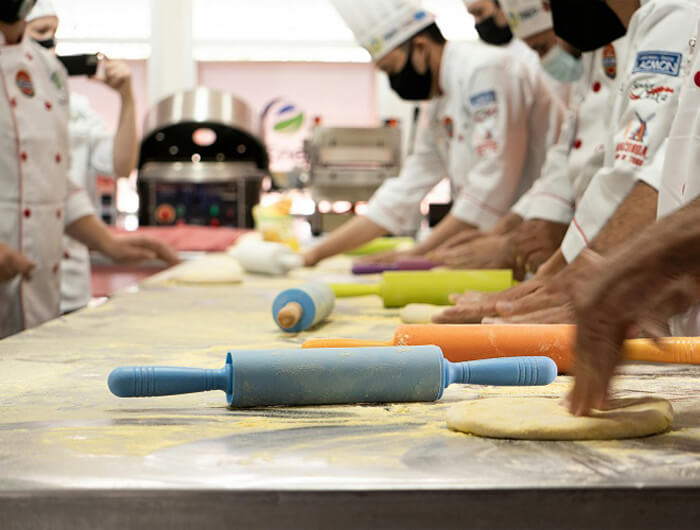
The shift toward plant-based diets reflects a growing awareness of health, environmental, and ethical concerns associated with meat consumption. As this trend continues to gain momentum, there’s been a corresponding surge in the demand for skilled chefs who specialize in plant-based cuisine. Recognizing this demand, many aspiring chefs are now seeking specialized education to hone their craft in vegetarian and vegan cooking. Keep reading to discover what it takes to become a pro in the world of plant-based culinary arts and how attending a vegetarian culinary school can be a transformative experience.
What to Look for in a Vegetarian Culinary School
When considering a vegetarian culinary school, it’s important to evaluate the institution’s credibility. Research its accreditations, faculty expertise, and alumni successes to ensure that you’ll receive a quality education. The school’s approach to teaching plant-based cooking should be holistic, integrating both theory and practical hands-on experience.
Prospective students should also examine the school’s curriculum, looking for courses that cover a wide range of cuisines and cooking techniques. Understanding plant-based nutrition and alternatives to traditional ingredients is crucial, as is training in presentation and the use of plant-based foods in different cultural contexts.
The facilities of a culinary school also play a vital role in your education. Modern, well-equipped kitchens with a variety of appliances and tools will enable you to practice and perfect your skills. Additionally, access to a diverse array of high-quality plant-based ingredients is a must for proper learning and experimentation.
The Curriculum and Skills Taught at a Vegetarian Culinary Program
The curriculum at a vegetarian culinary program is meticulously designed to furnish students with the full suite of skills needed to excel in plant-based cooking. Fundamental courses typically include basic knife skills, preparation techniques, and an understanding of kitchen safety and sanitation, which are essential foundations for any chef.
As students advance, they delve into more complex aspects of vegetarian cuisine, such as vegan baking, raw food preparation, and crafting plant-based cheeses. These courses help students expand their repertoire, ensuring that they are equipped to meet any culinary challenge.
Another significant component is the study of global plant-based cuisines. Learning the traditional vegetarian dishes from cultures around the world not only adds depth to a chef’s knowledge but also showcases the versatility and global appeal of plant-based cooking.
Career Opportunities and Pathways Post-Graduation
Graduates from vegetarian culinary schools have a plethora of career paths available to them, reflecting the diverse nature of the food industry. Many find rewarding opportunities as chefs in vegetarian and vegan restaurants or take on the exciting challenge of introducing plant-based menus in traditional dining establishments.
For those with entrepreneurial aspirations, opening a plant-based café or food truck can be a fulfilling way to showcase their skills while meeting the growing demand for vegetarian and vegan options. There’s also the possibility to work in food styling, photography, and content creation for those inclined towards the creative side of the culinary world.
Educational and advocacy roles are another avenue, with graduates sharing their knowledge through teaching, writing cookbooks, or working with non-profits to promote healthy, sustainable food choices. The rise of plant-based diets has also opened doors in the realm of product development, where chefs help create and refine vegan products for grocery stores and food manufacturers.
How to Maximize Your Experience While Attending Vegetarian Culinary School
To truly maximize the experience at a vegetarian culinary school, it’s important to immerse yourself in the culture and community. Engaging with peers, participating in food events, and seeking mentorship from seasoned chefs can greatly enhance your educational journey and open doors to future opportunities.
Lastly, getting creative in the kitchen by experimenting with ingredients and developing your recipes can help in finding your unique culinary voice. This creativity will not only refine your cooking style but also prepare you for the dynamic and innovative world of vegetarian and vegan cuisine.
Overall, attending a vegetarian culinary school can be a life-changing decision for those passionate about plant-based cuisine. With the right education, experiences, and connections, graduates are well-prepared to lead the way in the exciting and evolving world of food. Equipped with the knowledge and skills gained from such institutions, chefs can flourish in an industry that is more welcoming than ever to plant-based professionals.
Suggested Read: World Vegetarian Day
