
Cotton vs Muslin: Which Fabric is Better for Indian Summers?
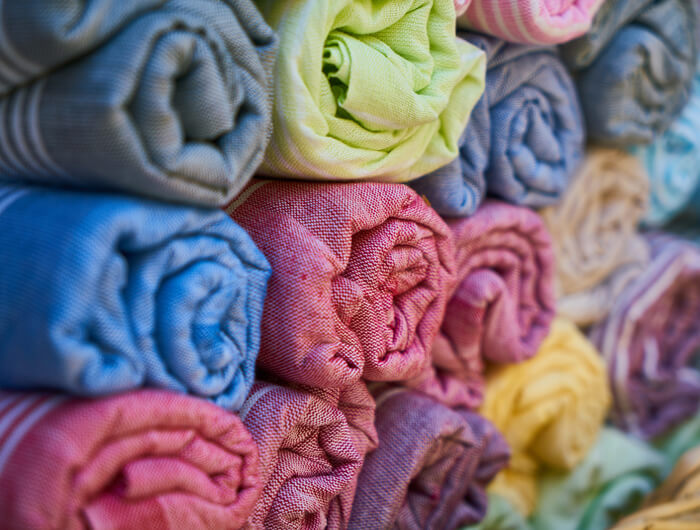
April does something strange to Indian wardrobes. Suddenly nothing feels right. That cotton kurta you loved in February feels a bit heavy. The kurta you grabbed last year is stiff and clingy by mid-morning. And somewhere in the middle of trying things on, you start wondering whether you should just switch to muslin entirely.
It is a fair question. Muslin has had a proper comeback in the last few years, and you see it everywhere now, from market stalls to Instagram storefronts. But is it actually better than cotton for Indian summers? Or is cotton still holding its ground?
Honestly, the answer is a bit of both. But the details matter, so let us get into them.
First Things: Muslin Is Cotton
A lot of people think muslin and cotton are two separate fabrics. They are not. Muslin is cotton. What makes it different is the way it is woven. Regular cotton fabric tends to be tightly woven, which gives it structure and weight. Muslin uses a plain, open weave with finer yarn, and that changes how it sits on your body completely.
Those tiny gaps in the weave are the whole point. They let air through, which is why muslin feels so much lighter than it looks. Standard cotton for everyday wear usually sits between 150 and 200 GSM. Muslin comes in at 60 to 120 GSM. On a 42-degree afternoon in Jaipur or Delhi, you feel that gap. Immediately.
In India we have been calling it mulmul for centuries. Bengal’s Dhaka muslin was so fine that traders once called it woven air, which sounds poetic but was basically just an accurate description. That same lightness is why mulmul kurtas and coord sets are everywhere in summer collections today.
How Each Fabric Actually Performs When It Gets Hot
Breathability: Muslin Has the Edge
April through June is rough. Temperatures cross 40 degrees Celsius across most of North and Central India, and humidity makes everything worse. In that kind of weather, what your outfit is made of matters more than how it looks.
Muslin’s open weave lets air move between your skin and the outside. That is not marketing language, it is just physics. A muslin kurta or muslin dress at 80 or 90 GSM will always feel cooler than a cotton garment of the same colour, simply because more air is getting through. Regular cotton breathes too, and it is miles ahead of polyester. But a dense cotton weave can still hold heat against your skin on a bad afternoon. The weave matters as much as the fibre.
Moisture: Both Absorb, But Muslin Dries Faster
Sweat is not optional in Indian summers. Both fabrics absorb it, but they handle it differently. Cotton, especially the heavier varieties, holds moisture for longer. After a few hours outside you might start feeling the weight of it.
Muslin, being lighter and more open, picks up moisture quickly and releases it faster. That matters most in June and July, when the pre-monsoon humidity makes it feel like the air itself is wet. A fabric that dries faster just keeps you more comfortable through the day.
Softness Over Time: Muslin Wins This One Easily
This is the part that surprises most people. Muslin gets softer the more you wash it. The fibres loosen and settle with each wash cycle. A mulmul kurta you have been wearing all summer genuinely feels better by September than it did when you bought it in April.
Regular cotton holds its texture more consistently, which is not a bad thing, but it does not have that same improvement over time. If your skin tends to get irritated or you get heat rashes in summer, muslin is the kinder fabric to be in.
Durability: Cotton Lasts Longer
Muslin is light, but that lightness has a cost. The loose weave is less robust. A good cotton kurta, washed and worn at the same rate as a muslin one, will almost certainly outlast it.
Muslin is excellent for relaxed silhouettes, flowy dresses, and layered looks. But for structured garments, or anything going through daily machine washing for months on end, cotton holds up better. It keeps its shape across more cycles and just wears more predictably.
Quick Comparison: Cotton vs Muslin
If you want a fast reference, here is how they stack up:
Breathability: Muslin wins. The open weave allows more airflow than tightly woven cotton.
Weight: Muslin is 60 to 120 GSM. Most cotton sits between 150 and 200 GSM.
Softness over time: Muslin improves with every wash. Cotton stays consistent but does not soften the same way.
Durability: Cotton lasts longer for structured garments and regular machine washing.
Drying speed: Muslin dries faster. Cotton holds moisture a bit longer.
Sensitive skin: Muslin is gentler, especially in peak summer heat.
Price: Good cotton is available at most budgets. Quality handloom muslin tends to cost more.
Best for: Muslin for April to June heat and casual wear. Cotton for year-round, structured, and office outfits.
Which One Should You Actually Pick?
This is where people overthink it. You do not have to choose permanently between the two.
Go With Muslin When:
The month is April, May, or June and you will be outside for most of the day. Lightweight muslin kurtas, mulmul anarkali sets, and flowy muslin coord sets under 120 GSM will keep you far more comfortable than heavier cotton during these weeks. Also the right pick for home wear, long outdoor events, and anything casual where comfort comes first.
Stick With Cotton When:
You need the outfit to hold its shape. Office ethnic wear, coord sets for meetings, cotton sarees with some drape and body, and everyday kurta pant sets all benefit from cotton being sturdier. A well-cut cotton kurta set in a breathable weave like voile or cambric still feels comfortable in summer. It just gives you the structure that muslin cannot always deliver.
Cotton is also the smarter choice for garments you wash every day. It handles repeated machine washing better and does not lose shape as quickly.
The most practical wardrobe for Indian summers has both. Mulmul and muslin for the heat peak, cotton for everything else.
One Thing Most People Get Wrong: The Blend Problem
Walk into most Indian fast-fashion stores and you will find shelves of garments labelled cotton. But pull up the care label and you might find it is 40 or 50 percent polyester. Indian textile labelling rules are loose enough to allow this, and many brands take advantage of that.
Polyester does not breathe. It traps heat, holds odour, and makes a warm day feel worse. If you are buying summer clothing and comfort matters to you, always check for 100% cotton or 100% cotton muslin on the label. Do not assume.
A quick physical check: hold the fabric to light. Muslin looks slightly see-through. Real cotton lets some light through but has more body. A polyester blend feels flat and a little plasticky against your fingers.
For women looking for genuinely well-made natural-fibre ethnic wear, The Jaipur Studio is worth a look. Their range covers muslin kurtas, mul cotton coord sets, and hand block-printed cotton anarkali sets, made with fabrics that are chosen specifically for Indian climate conditions. The brand’s craft tradition in Jaipur goes back to 1950, which shows in how the fabrics are selected and finished.
Washing and Storing Both Fabrics in Summer
For Muslin
Cold water is non-negotiable. Hot water shrinks muslin and weakens the weave over time. Do not wring it. Lay flat or hang in shade. Iron at low heat when slightly damp, and it comes out looking clean and fresh.
You can machine wash it, but use the gentle cycle and put it in a mesh laundry bag. A mild liquid detergent works best. Avoid anything harsh, especially on embroidered or block-printed pieces where the design can fade.
For Cotton
Cotton handles machine washing without drama. Most cotton kurtas and ethnic sets are fine on a regular cycle. Iron at medium to high heat depending on the weight. Through monsoon months, store cotton in breathable bags rather than plastic boxes. Sealed plastic traps humidity and the fabric starts smelling musty.
Dark cotton shades often bleed in the first couple of washes. Wash them separately to start, or you will find colour on your lighter garments.
Fabric Terms You Will See While Shopping
Indian clothing labels and product descriptions throw around a lot of terms. Here is what the main ones actually mean:
Mulmul: The Indian name for muslin. Lightweight, loosely woven, breathable. Your best friend in May.
Mul Cotton: A slightly more structured form of mulmul. More opaque than muslin but softer than regular cotton. Common in quality ethnic wear collections.
Handloom Cotton: Cotton woven on traditional hand-operated looms. More breathable and better finished than most mill-made fabric.
Organic Cotton: Cotton grown without synthetic chemicals. Look for GOTS certification as a reliable marker of genuine organic claims.
GSM: Grams per Square Meter. Basically the weight of the fabric. Under 120 GSM is ideal for Indian summer. Above 200 GSM is winter territory.
Voile and Cambric: Lightweight cotton weaves. Denser than muslin but still breathable. Good for summer occasions where you want a bit more structure.
Kota Doria: A Rajasthani fabric woven with cotton and silk. Light, textured, and perfect for summer occasions that call for something a little more formal.
Frequently Asked Questions
Q1. Is muslin better than cotton for Indian summers?
For the hottest months, April through June, muslin tends to be more comfortable. It is lighter (60 to 120 GSM) and the open weave lets more air through. That said, cotton is more durable and the better choice for everyday structured wear throughout the year. Most people do well with both in their wardrobe.
Q2. What is the difference between mulmul and muslin?
They are the same fabric. Mulmul is the Indian name for muslin. It means lightweight, loosely woven cotton, and it has been made across the subcontinent for over two thousand years, most famously in Bengal.
Q3. Can I wear a muslin kurta or dress to work?
Yes, depending on the workplace. Muslin kurtas and anarkali sets work well in creative, casual, or culturally relaxed office environments. For formal or corporate settings, a structured cotton kurta set or coord set in a medium-weight weave is usually the more appropriate choice.
Q4. Does muslin or cotton shrink after washing?
Both can shrink slightly in the first couple of washes. Muslin is more sensitive to hot water and will shrink noticeably if you wash it incorrectly. Always use cold or lukewarm water for muslin. Cotton is more tolerant but high-heat washing can still cause some shrinkage.
Q5. How do I know if something is real cotton or a blend?
Check the care label for 100% cotton. Real cotton feels slightly textured when dry, absorbs water quickly, and does not create static. A synthetic blend feels smoother, dries unusually fast, and will often cling due to static. When buying online or from unfamiliar brands, GOTS-certified organic cotton is the safest indicator of what you are actually getting.
Bottom Line
Cotton and muslin are not competing. They are meant to work together in an Indian wardrobe, each doing what the other cannot.
Muslin is the fabric to reach for when the heat gets serious. It is light, it breathes well, and it gets more comfortable the longer you own it. Cotton is your everyday foundation. It holds shape, washes well, and takes you from casual to formal without asking much of you.
The real problem in most wardrobes is neither. It is the polyester blend pretending to be cotton. Check your labels. Feel the fabric before you buy. Choose natural fibres where you can. The difference shows up within an hour of wearing.
India’s fabrics were designed for India’s heat, by people who lived in it for generations. From Bengal’s mulmul to Rajasthan’s hand block-printed cotton, there is real, practical knowledge baked into these textiles. You do not have to reinvent anything. Just use what already works.
Suggested Read: Why Do Fashionistas & Designers Go Crazy Over Crepe Fabric?
While every effort is made to ensure the accuracy of the information presented, some images used in older articles may have originated from third-party sources whose ownership could not be identified. We respect the intellectual property rights of others and do not intend to infringe any copyright.
If you are the copyright owner of any image or content displayed on this website and believe it has been used without appropriate permission or attribution, please contact us with the relevant details. Upon verification, we will promptly provide proper credit, replace the material, or remove it as requested.
